
What We’re Learning About Alzheimer’s Disease
From Early Signs to Ongoing Research
What Is Alzheimer’s Disease?
For many families, noticing a loved one forget familiar names, repeat questions, or misplace everyday items can be deeply concerning. These gradual changes are sometimes signs of Alzheimer’s disease, a progressive brain condition that affects memory, thinking, and behavior.
In its mild to moderate stages, Alzheimer’s often impacts short-term memory first — remembering recent conversations, appointments, or new information; while long-term memories may remain clear for a while. Over time, tasks that once felt routine can require more effort, and support from family and friends becomes essential.
What’s Happening Inside the Brain
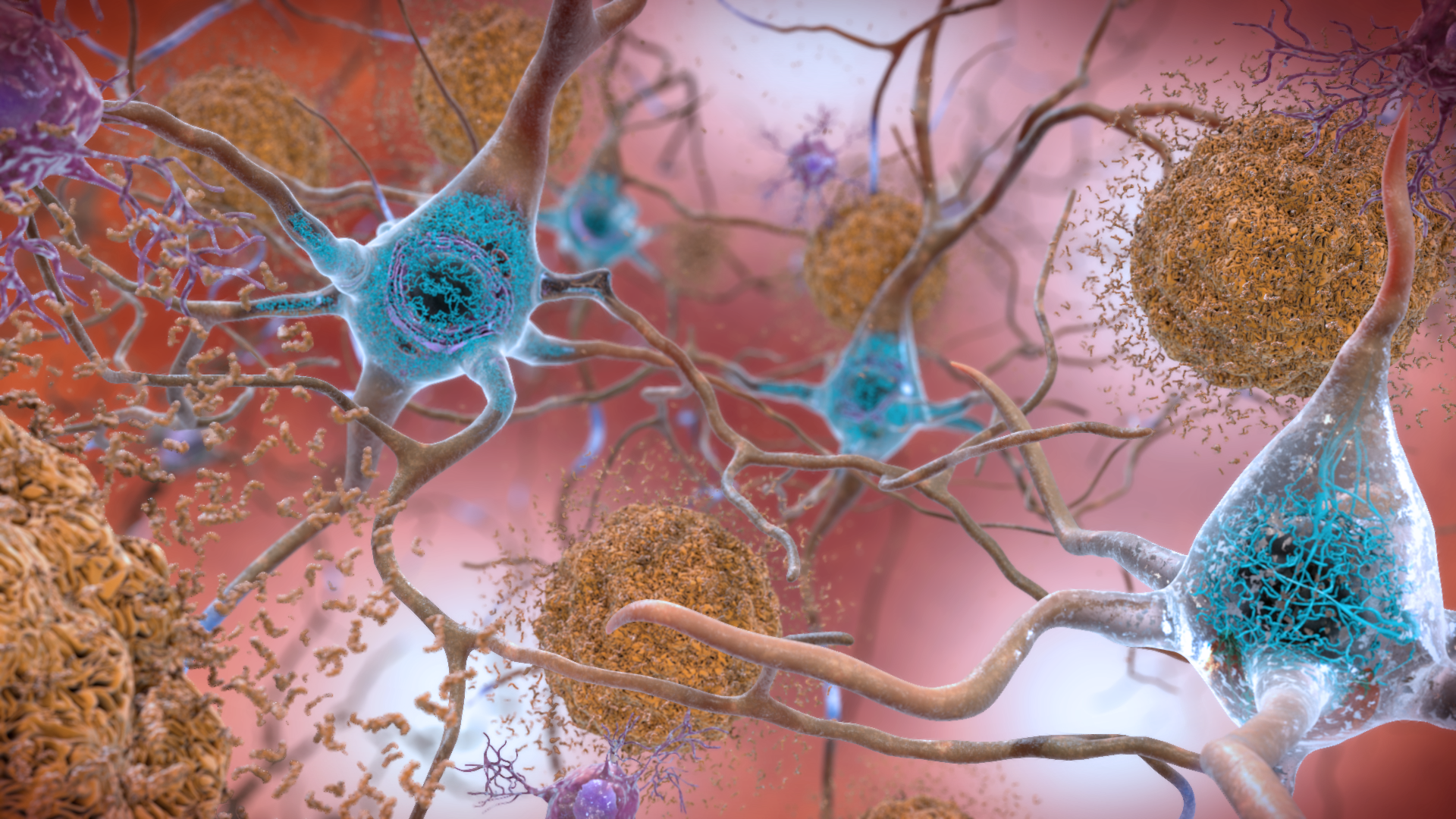
Inside a healthy brain, billions of nerve cells communicate through complex networks. In Alzheimer’s disease, certain proteins called amyloid and tau, begin to build up abnormally.
• Amyloid plaques form between nerve cells.
• Tau tangles develop inside the cells themselves.
These changes disrupt normal communication between neurons and gradually cause the brain’s structure to shrink, especially in areas responsible for learning and memory.
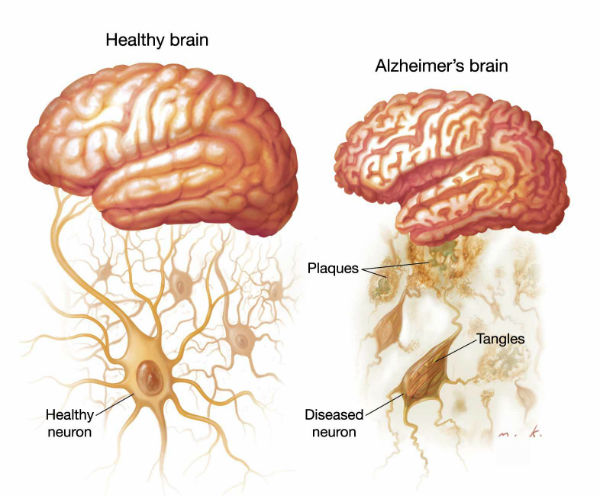
When you look at illustrations showing the comparisons of a healthy brain vs. one affected by Alzheimer’s, it usually shows a loss of brain volume and buildup of plaques and tangles. These images help explain why symptoms progress over time — the brain’s connections are literally being interrupted.
Common Risk Factors
While researchers don’t yet know exactly what triggers Alzheimer’s, several factors appear to increase risk:
• Age: The greatest known risk factor.
• Family History: Having a parent or sibling with Alzheimer’s.
• Genetics: Certain genes (like APOE-ε4) may increase likelihood.
• Head Injury: Repeated or severe head trauma may play a role.
• Lifestyle & Heart Health: Conditions like high blood pressure, diabetes, or inactivity can also affect brain health.
It’s important to remember that having risk factors doesn’t mean a person will develop Alzheimer’s; it simply helps identify who may benefit from early monitoring and support.
Current Ways to Manage Symptoms
Although there is no cure for Alzheimer’s, early diagnosis and a supportive care plan can make a meaningful difference.
Common strategies include:
• Routine and structure: Keeping consistent daily habits reduces confusion.
• Cognitive stimulation: Activities like puzzles, reading, and conversation help keep the mind active.
• Healthy lifestyle: Regular exercise, a balanced diet, and social engagement support overall brain and body wellness.
• Medical guidance: Healthcare providers may discuss medications or therapies that help manage symptoms and maintain function longer.
• Caregiver support: Education, respite programs, and local resources reduce burnout and isolation.
The Role of Clinical Research
Every step toward understanding Alzheimer’s disease depends on clinical research. Through carefully designed studies, scientists explore new ways to help manage symptoms, monitor progression, and understand the biology of memory loss. Participants in these studies are essential partners in that process.
Each study follows strict FDA and Institutional Review Board (IRB) guidelines to ensure safety, ethics, and informed consent. While no study can promise direct benefit, research participation helps expand knowledge, paving the way for better tools and care options in the future.

Living With Alzheimer’s: Practical Tips
Living with Alzheimer’s, whether personally or as a caregiver, can feel overwhelming at times, but small, consistent steps help maintain connection and quality of life.
• Keep a daily planner or reminder app for appointments and tasks.
• Label drawers or rooms to make navigation easier at home.
• Encourage gentle physical activity, like short walks or stretching.
• Play familiar music, which can often evoke positive memories.
• Stay social — regular visits or calls can lift mood and slow isolation.
These daily actions, combined with patience and community support, can make a meaningful difference.
Learn More About Ongoing Research
If you or someone you care for is living with mild to moderate Alzheimer’s disease, FutureSearch Trials is currently enrolling participants for a clinical research study in both our Austin and Dallas locations.
To learn more or find out if you may qualify, contact the research team nearest you. Austin: ATXclinic@fstrials.com or 512-380-9595. Dallas: 214-361-7700